uestion: The government claims that coal development will bring prosperity to Pakistan in general and Thar in particular. Many people in Thar disagree with this claim. What kind of change do you think coal development projects have brought to Thar?
Arif Hasan: Open-pit mining of coal has caused severe damage around the world. In open-pit mining, coal is extracted from several hundred feet, if not several hundred metres, below the earth’s surface. To reach coal, trees and grass on the land above are removed and three layers of water are drained. Consequently, large areas of land are dug up, water is depleted and the top layer of earth—that is used for agriculture and for planting trees—is eliminated altogether. The excavated land, thus, becomes barren. It becomes sterile. Not only does it lose trees and plants, it also becomes unsuitable for cultivation.
In Thar, drinkable water is also found only in the earth’s top layer. The people of Thar, therefore, are losing their livelihood and their water sources are drying up.
Thar’s land is, thus, not benefiting from coal development. If local land is not benefiting from it, then local animals do not benefit from it as well. And if the animals do not benefit from it, then the humans, too, cannot benefit from it. This is a complete disaster.
Then there is the question of water being drained from coal mines. What will you do with it? It is saline, so it is not drinkable and is also unfit for irrigation. You will have to find a place to discharge it, but wherever you discharge it, nothing will be cultivated there. It will cause salinity on a large scale and that salinity will also be toxic.
An even more important aspect of coal development is the ownership of land where coal is being mined. Though a large part of this land belonged to big landowners, a lot of small farmers also owned—and worked on—it. Many others got hold of [parts of] this land after the departure of local Hindus to India [both in 1947 and during the 1965 war].
Now all this land has been transferred to coal development companies under the Land Acquisition Act. According to this law, it will remain in the ownership of the companies even after the mining and power generation projects complete their life cycle. So, this land has been taken away from those farmers permanently. They will never again have the right to own it. Coal development, therefore, does not benefit the local people from this point of view too.
Those who are being evicted from this land, where will they live? How will they be managed? Sindh Engro Coal Mining Company has made some arrangements for these people to live, but the Chinese company [Sino-Sindh Resources Limited] has not made any arrangements for them. The Chinese have applied the policy of coming in, making people leave and get the land vacated.
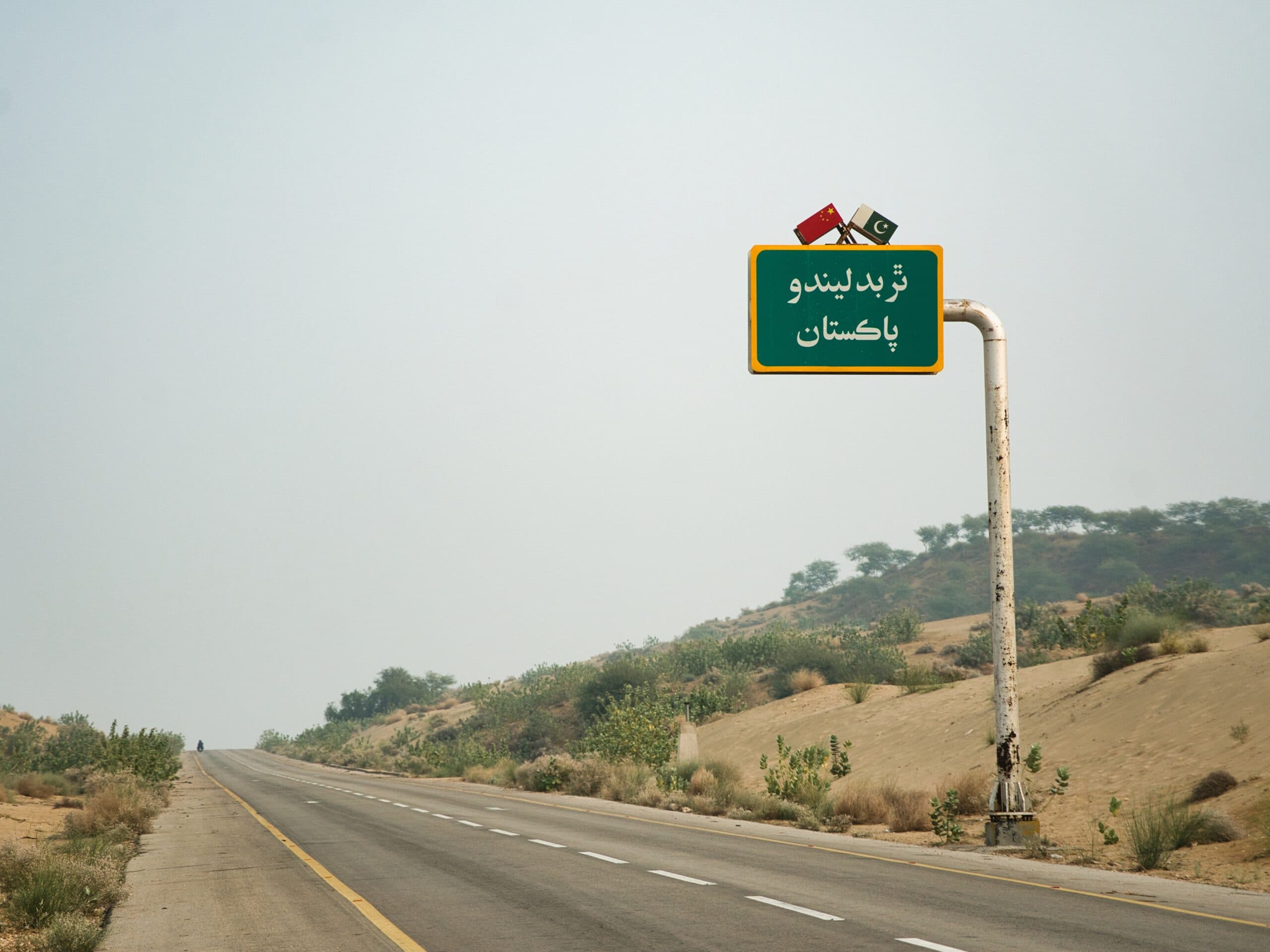
Well, yes, roads have been built in Thar. This has increased trade and commerce in the region but these activities are benefiting Karachi, Hyderabad and Punjab more than they are benefiting Thar. Of course, business has also increased as a result of coal development. Some businessmen, therefore, have started to support the coal companies. Many small companies have popped up—that do printing etc or repair machinery—but all of these are based in Karachi. Compared to the damage being caused by coal mining and coal-based power generation, however, these developments are too few [to be meaningful].
“Only those can receive benefits under the Land Acquisition Act who had land ownership. Most people in Thar, however ,do not own land. These small peasants have no ownership rights at all. Since land ownership is minimal, the question arises: who will be rehabilitated under the resettlement policy?”
Question: Sindh’s provincial government has been developing a resettlement policy for the communities affected by coal mining and coal-based power generation. How do you view this policy and its implementation?
Arif Hasan: Many rehabilitation policies have been formulated in Pakistan and many efforts have been made to rehabilitate people [affected by development projects]. These policies and efforts, however, have never been successful. I do not expect them to be successful in the future either. The government lacks the capacity, institutions and capability to rehabilitate anyone effectively. Moreover, there is a lack of desire to do so. All the government policies tend to be anti-poor because of this mindset. I, therefore, don’t believe that there will be any significant difference [this time round].
If there are any benefits accruing to anyone due to the development of coal in Thar, those are accruing to only those who held ownership titles to the land taken away for coal mining. This is because the Land Acquisition Act allows only those to receive benefits who have land ownership. Most people in Thar, however, do not own land. Instead, they hold it on one-year leases—known as yaksala pata—which are renewed annually. The small farmers possessing these leases have no ownership rights at all.
Since land ownership is minimal in Thar, the question arises: who will be rehabilitated under this resettlement policy?
Question: The government claims to have taken several initiatives to resettle the communities affected by coal development. How do you assess these initiatives—including the model village where people displaced by coal mining have been resettled?
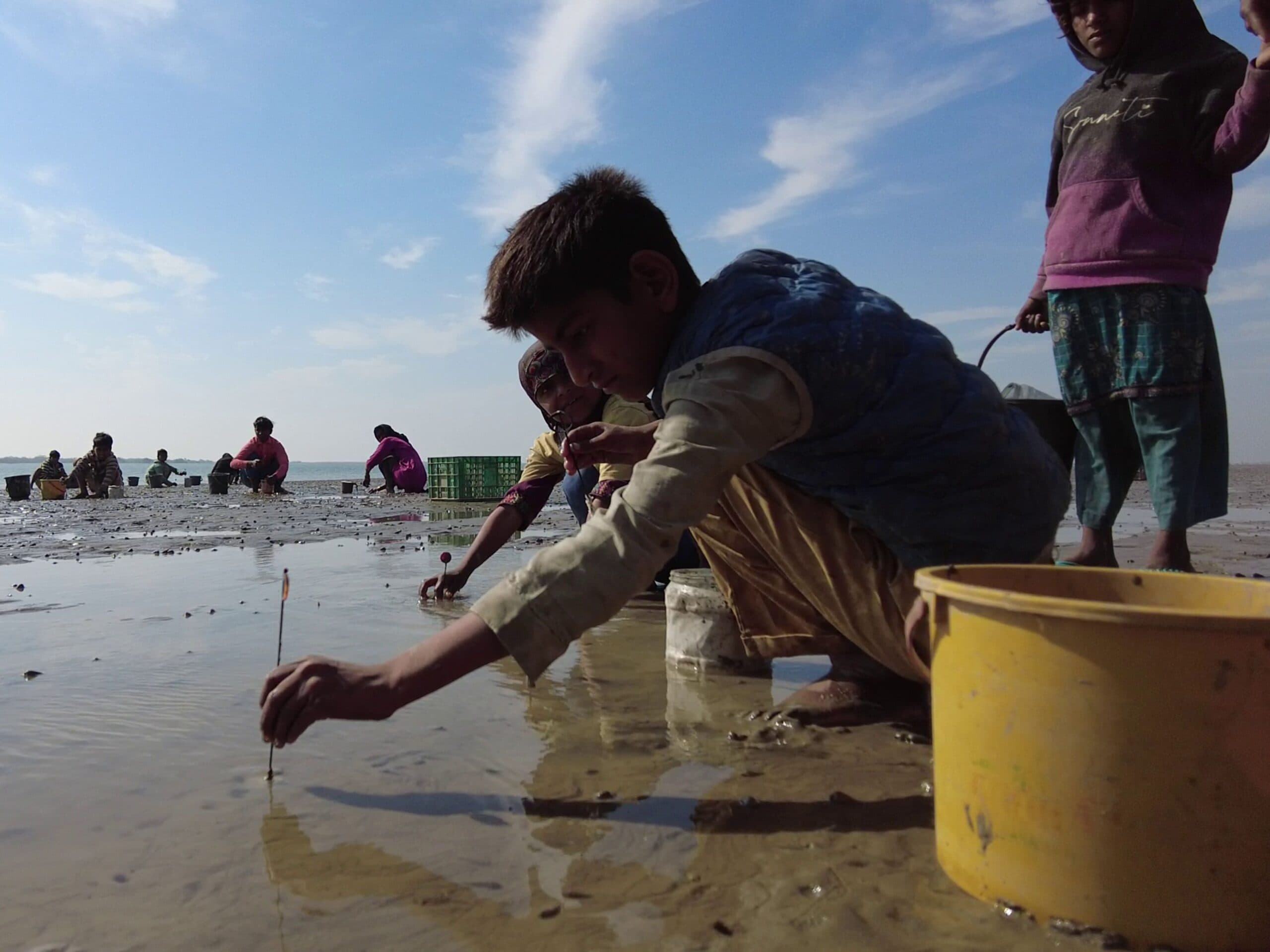
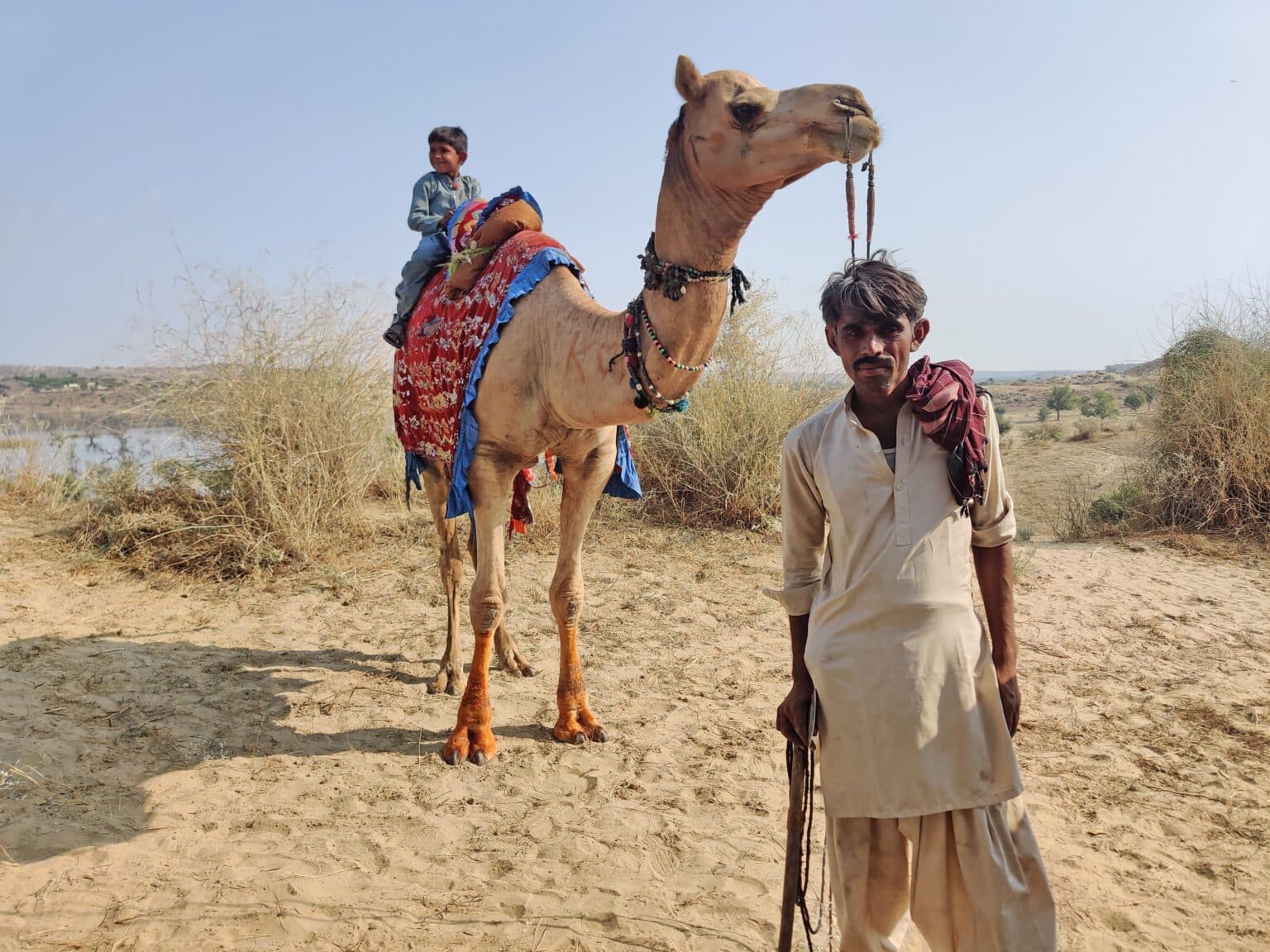
Arif Hasan: The model village has been built for those who previously owned land, not for those who had nothing. The majority of the displaced people, however, belong to the latter category. Their gauchars (pastures) are gone. Where will they graze their animals now?
Those who owned land sold it to the coal development companies. Those who owned larger tracts of land got money and left. They bought cars, Rolex watches and built houses. They did not become poorer. But what happened to the relationship they had with those who worked for them to survive? This latter category of people still has no place to live as the model village only caters to those who had land and property.
Question: Tharis have pointed out several problems in land acquisition for Thar coal projects. Do you think the government should have devised a better mechanism for land acquisition to make it fair and equitable?
Arif Hasan: The Land Acquisition Act provides for compensation for whoever owns the land to be acquired. This law is also complemented by rules for paying compensation. If the government follows what is written in that law and those rules that should be sufficient [to compensate the landowners properly] but even these are not followed because the government’s institutions lack the capability and the capacity to do so.
The Land Acquisition Act, however, does not have any provisions to take care of the people who do not own land. The government functionaries, therefore, believe that it is not their responsibility to take care of the matters you have mentioned.
Question: So, what should the government do to make this process fair and equitable?
Arif Hasan: In my opinion, the coal development projects should not have been started. It was a bad decision. It was an anti-people decision. It was an anti-environmental decision. Across the globe, coal mining, particularly open-pit mining, is being phased out. Even China has decided to discontinue such projects. We, therefore, must ask: Why is our government pursuing it? What led it to agree to this?
Question: Is there anything that can still be done to share the supposed benefits of coal development equitably?
Arif Hasan: What the government could have done was to shut down coal development projects. These could be shut down even now. What is the problem in that? Just complete the work that has been started and then close them down. If the government really wants to benefit Thar, it could switch to solar energy. There is also a lot of potential for wind power in Thar. The government could explore that avenue as well.
The decision-makers need to decide what they want and then act accordingly. All we know is that they want to extract coal regardless of the many problems associated with it. How do they plan to solve or reduce those problems? To address them, the law needs to be changed and new institutions have to be established.
“In my opinion, this project should not have been started. It was a bad decision. It was an anti-people decision. It was an anti-environmental decision. Across the globe, coal mining, particularly open-pit mining, is being phased out. Even China has decided to discontinue such projects.”
Question: Do you think the government should return the land acquired for coal mining and coal-based power generation to the local communities after these projects have completed their life cycle?
Arif Hasan: According to the law, people no longer have the right to re-own the acquired land. Even if the government changes the law to return it to the local people after the life cycle of projects is complete, what will they do with it? This land can neither be cultivated nor can it be used as gauchar (pasture).
Once the land becomes useless, how can it be fairly returned to the people? What will its owners do with it? I don’t know. When the land is no longer capable of producing anything, where will the people of Thar go? What will the poor do? They will have to leave this place and move elsewhere. You may offer some agricultural land to them and relocate them there but whether they will be willing to go there or not should also be their choice. [Resettlement] is not as simple as it seems.
Question: If, despite this, people are interested in reclaiming their lands, what would be the process of a fair return?
Arif Hasan: It cannot be fair.
Question: Even outside Thar, the Land Acquisition Act is criticised routinely by social justice activists. What do you say about the way this law operates?
Arif Hasan: It is very simple: if your parliament agrees, the government can amend the law and include whatever clauses it deems necessary in it. India has already made changes to its land acquisition laws. In India, even those are compensated who do not own the acquired land but have a connection to it. You can do the same if you want to. It is all about willingness. If parliamentarians take notice of what the activists are asking for then this can be done.
Question: As you mentioned, a new model is being used for land acquisition in India. Do you think this model is feasible—or suitable—for Thar as well?
Arif Hasan: There are various models to consider. For instance, forming a cooperative is an option—as is done in many countries. You could establish an agricultural cooperative or a pastoral cooperative or even a coal development cooperative. Those involved in a coal cooperative can receive money from coal’s earnings and could have shares in its ownership. Let your political leaders engage in a dialogue with activists and determine the best course of action. Then, pass the necessary laws in parliament accordingly
Question: Can it be done in Thar?
Arif Hasan: I don’t believe anyone will benefit.
Question: So, in your opinion the “share model” would be more suitable for them?
Arif Hasan: I’m not saying that. They can receive a share, and it’s up to them to decide whether it’s beneficial or not. I can’t have an opinion on this; it’s a matter of negotiation. How can I advocate on their behalf? They can negotiate with those in power. It’s a matter of negotiation between two parties. Well, in my view, they will not benefit from it.
Question: The government is carrying out a land survey in Thar. Many people in Thar fear that this survey is aimed at declaring their ancestral lands as state lands. How genuines are these fears?
Arif Hasan: There will never be a fair land survey. I only know of one place, Ghazi Barotha [in Khyber Pakhtunkhwa province], where the survey was conducted fairly. Even in Islamabad, the survey has not been conducted properly. Even today, people whose land was taken away [for building Islamabad] are crying that they have not been properly compensated and that the survey was not fair. Who listens?
Fifty years have passed [since the land was surveyed and acquired in Islamabad] but many people are still struggling in the courts to get fair compensation. Occasionally, a good judge may rule in their favour but what happens next? Who will implement that judgement? In Karachi, the authorities confiscated houses from people along two drains—Gujjar Nala and Orangi Nala. People went to court and the court ruled in their favour but this ruling is yet to be implemented.
Also, how will the government, which is itself involved in the survey, alleviate the people’s fears? In my opinion, as a result of this survey, a Defense Housing Authority (DHA) will be established in Thar, along with big private schools, engineering colleges and tourist centres. Besides tourism, there will be commercial centres. So, the local lands will inevitably be acquired [by the state for these purposes.