hen human beings talk of love for their land, is it an acquired emotion or a fundamental and essential ingredient of human nature? Before we start looking for an answer, it might be useful to ponder upon another seminally important question: do human beings love their land because it nourishes them or is it because they have a symbiotic bond with it, just as a child has with its mother. For different cultures, different countries, even for different individuals, the answer to this question is certainly different.
Most human beings, however, are unlikely to make a sharp distinction between land as a source of livelihood and land as a source of motherly love. Mother, after all, is the archetypal symbol for both love and care. This explains why almost every language has such phrases as janam bhoomi, dharti maaan or Mother Earth: because land not just sustains us but it also gives us a sense of belonging.If our land is our mother, then, of course, to reciprocate its love, the aesthetics of its terrain and the nature of its weathers should not matter to us. As a Pakistani fiction writer, Mumtaz Mufti, once put it: to love your mother, you don’t have to think what she looks like. People living in Sindh’s Tharparkar district may readily agree.
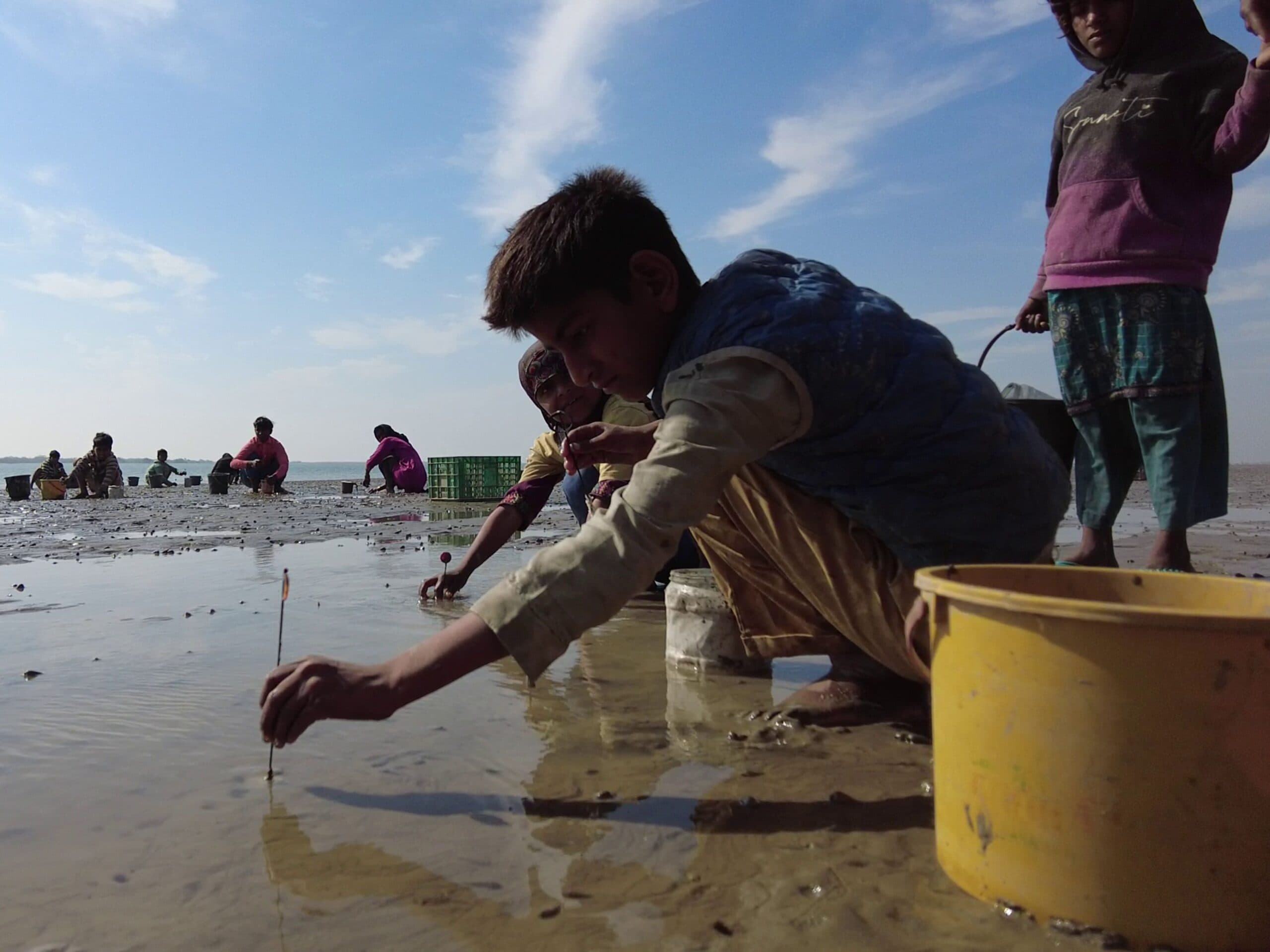
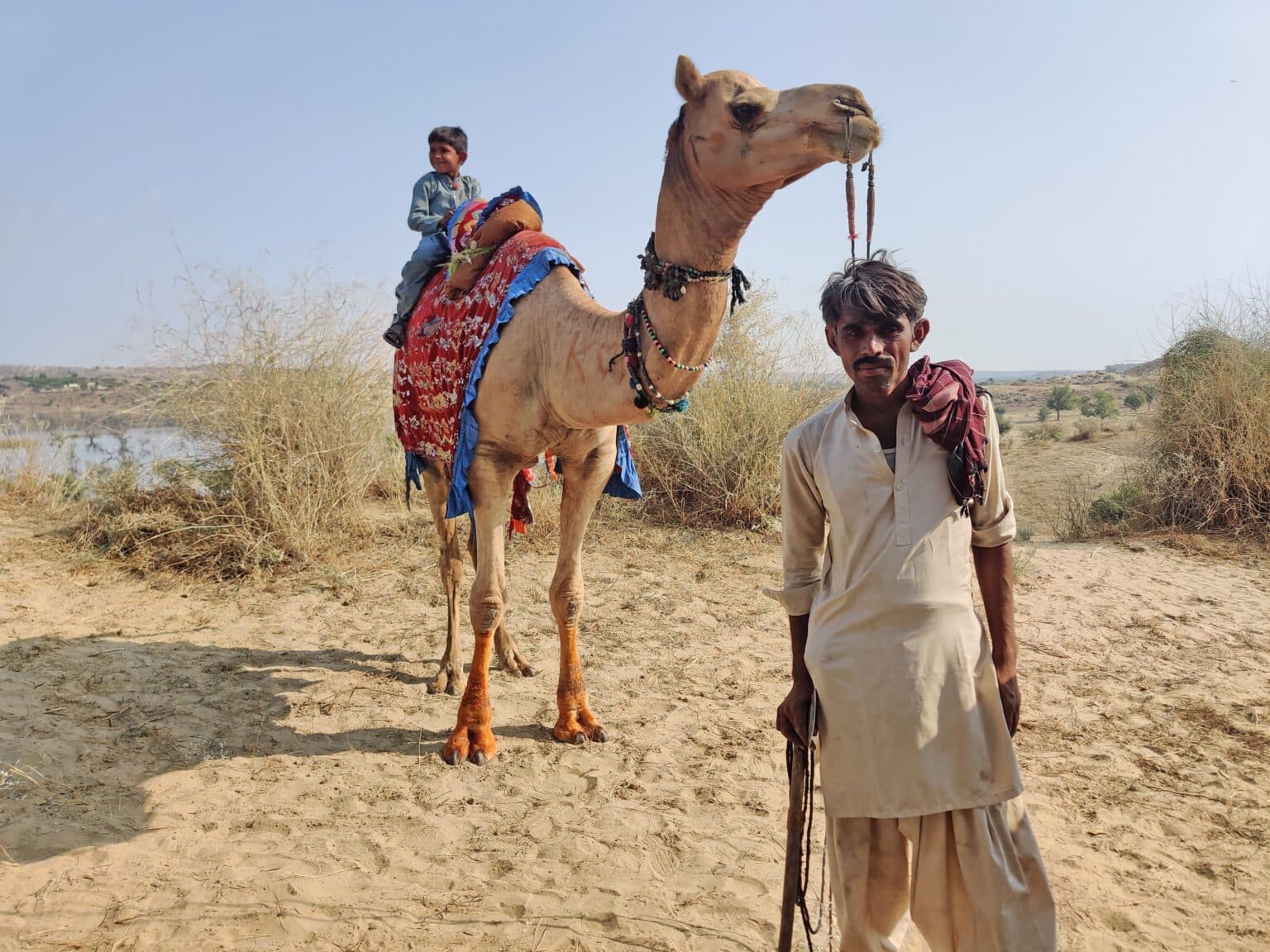
Their home, a part of the great Thar desert that spans across the Pakistan-India border, is not an easy place to live – or love
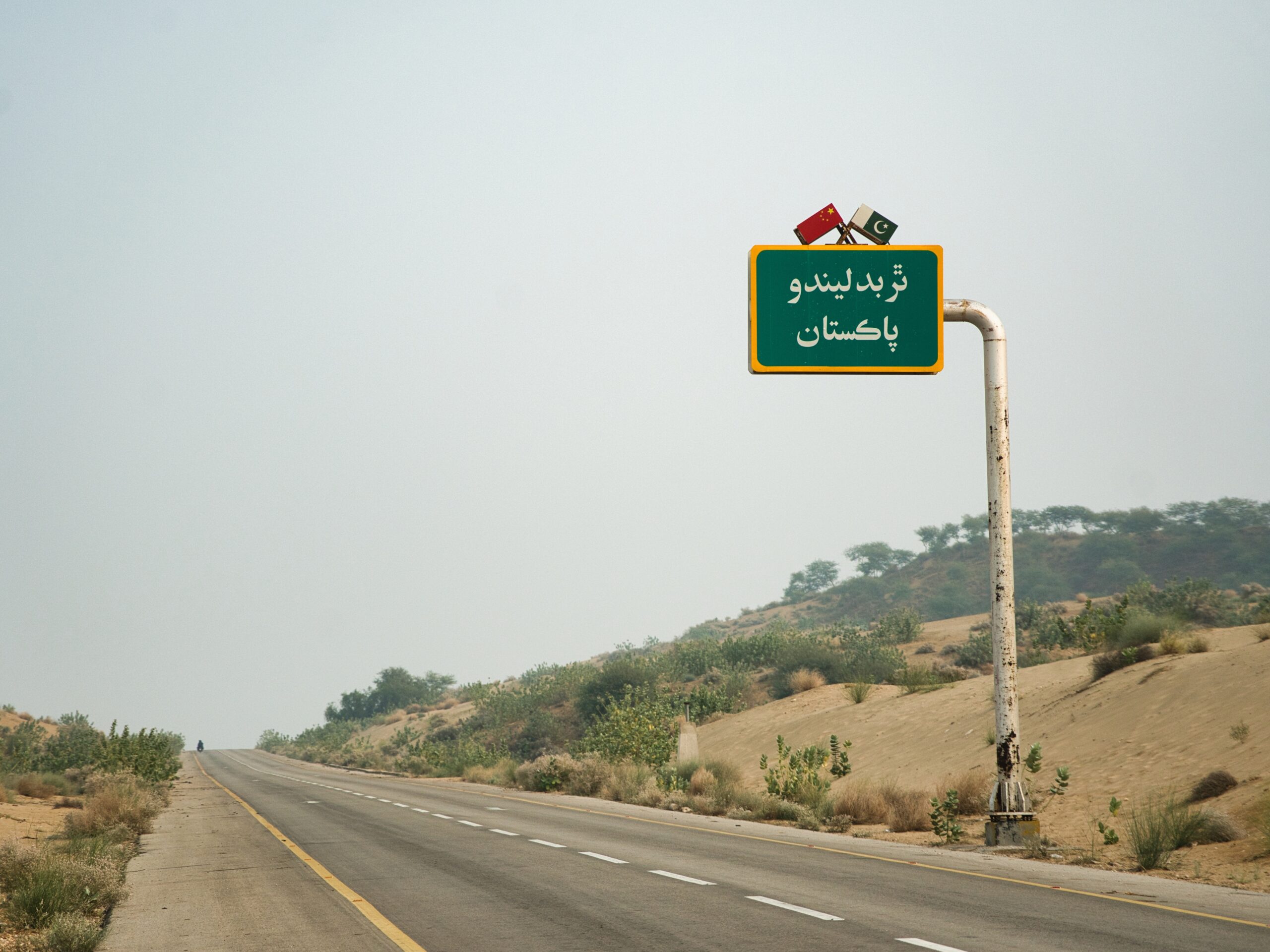
Laden with undulating sandy dunes, parched and hot, it is harshness exemplified. Its recurring droughts are accompanied by a displacement that resembles the archetypal ‘out-of-Africa’ exodus of the early human beings after they were left with nothing to survive on. In recent times, facilitated by the newly built roads, another form of migration has taken place in Tharparkar. Many of its younger residents are moving to cities, such as Hyderabad and Karachi, both for work and education.
Yet, in either case, as they are wont of saying in Tharparkar, it is almost impossible to tether any resident of Tharparkar away from his home as soon as the first drops of rain hit the desert — as if they have heard a secret call from their mother and cannot but heed it.
Since the advent of coal miningand coal-based power generation in Tharparkar in the 2010s, the perennial ties betweenhuman beings and their dharti maan have become somewhat fuzzy, if not totally strained or snapped
For the first time in millennia, the local people are confronted with a confounding question: who owns the land they have always been living on? At a cosmic level, land has existed way before first human beings emerged on it. In civilizational terms, no one owned land for a very long time after the emergence of human beings. Then came collective or communal ownerships, followed by private property. In Tharparkar, too, land ownership has run this gamut – of course with many local variations. Land settlements carried out here by the British colonial administration and its successor, the state of Pakistan, alone created a mishmash of private land, leased land, enemy land (originally owned by local Hindus who have left for India since 1947), communal grazing land and the state land. The advent of coal has only underscored the fault-lines of this patchwork arrangement.
When the government started acquiring land in Tharparkar on the behalf of coal mining companies, it told local residents that only those could claim compensation for the acquired land who had documentary evidence that they or their forefather owned it. Perhaps for the first time, the people of Tharparkar realized that, apart from being a source of livelihood and a giver of unconditional love, land can also be a commodity that can be purchased and sold – that it has economic value that they can redeem by showing the land acquiring authorities that they own it. Until then, most of the local land was available for everyone to use. Nobody paid any money to anyone to build their home in the part of the village that their clan or tribe collectively called their own. No one needed anyone’s permission to take their cattle for grazing to the communally owned pastures. Even those cultivating state and enemy lands on lease never bothered to have those transferred to their own name. Land produced little and, thus, had little economic value. So, no one really cared if they owned it or not.
All these local perceptions and practices have undergone a transformation after coal mining began in Tharparkar. The only way for a large part of the local people to benefit from the so-called economic bonanza premised upon the mining and utilization of coal has been to stake their claim on land ownership.
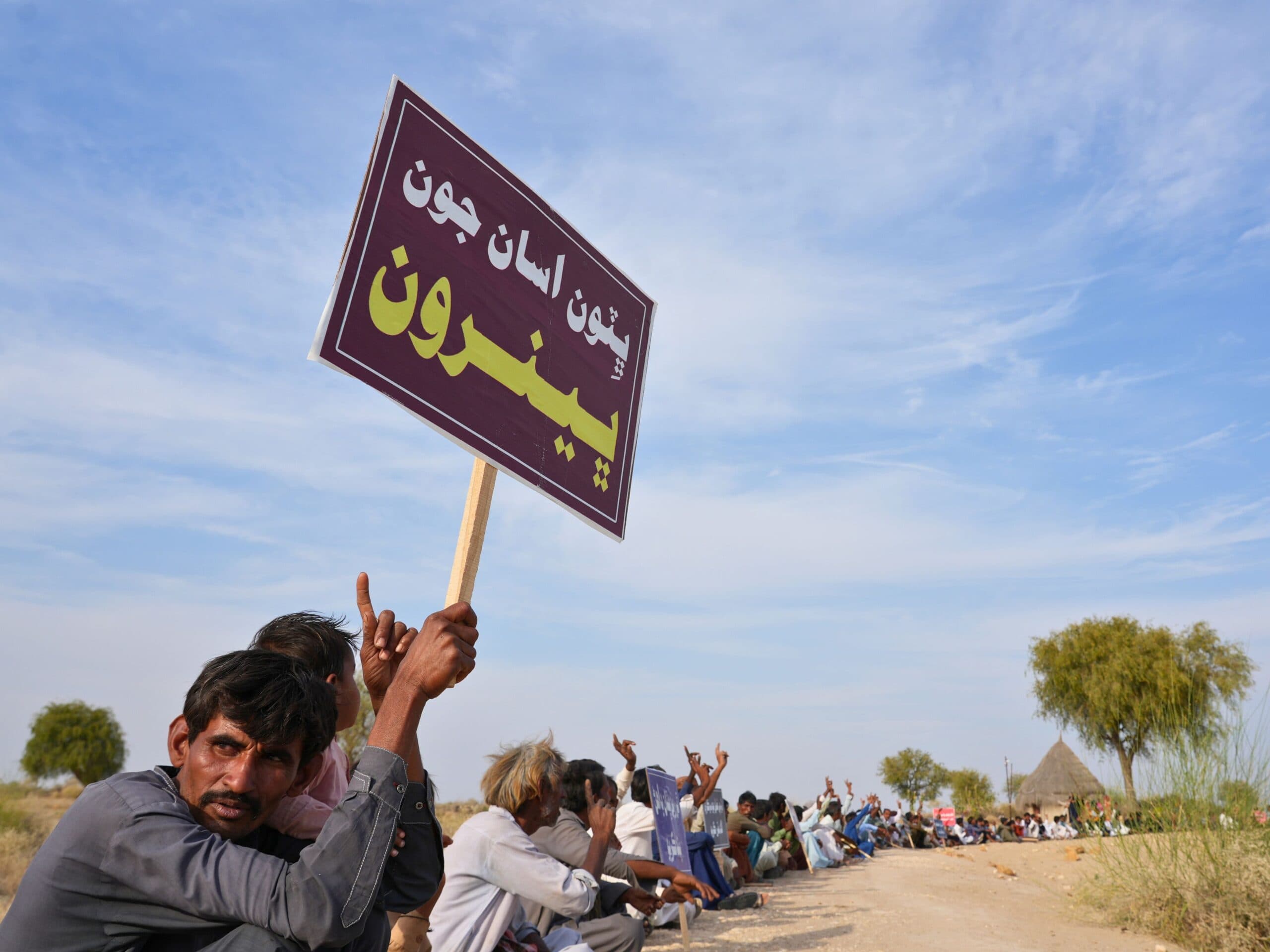
The consequences of this ownership-based criterion for compensating the land lost to acquisition have been both serious and obvious: the age-old symbiotic relationship between land and human beings was torn asunder. In many cases individuals living within the same community came face to face with each other, making conflicting claims of land ownership. In other cases, two communities that have been living side by side for centuries started disputing, sometimes violently, each other’s grazing rights. Caste, religion and even political associations became new and salient markers of identity in attempts to demand and receive the spoils of the compensation process.
This issue of EarthwiseMis an attempt to record all these trends. It also aims at highlighting their negative social and economic impacts by juxtaposing them with past practices. All this with the objective to point out what has been lost and how, if at all, it can be retrieved.
But not just that. We have also documented the problems that the people of Tharparkar face because of restriction, barriers and fences which have sprung up across what was once a seamlessly contiguous landscape — one that afforded them unhindered vistas and unrestricted movements. With the imposing embarkments of coal mines running for miles on end, with heavily guarded and barricaded power plants and with barbed wire fences and brick and mortar boundary walls marking the land reserved for various government and private schemes, they find their traditional pathways blocked, their landscape dissected and divided, and their livelihood and their traditional ways of living upended.
The proponents of coal development like to aver that these problems are nothing but the not-so-serious side effects of uplifting Tharparkar — and Pakistan at large — out of its energy poverty. Some people will have to be displaced if the whole of the country has to keep marching towards a capitalist, consumerist future, they argue. After all, they might also want to claim, the humanity’s march thus far has its origin in the ‘out-of-Africa’ displacement of our common ancestors. If our African forefathers had not ventured out of where they lived, none of us would have been where we are now, goes the argument. Migration or displacement, therefore, is an essential condition for human life to continue and thrive.
There is a strong whiff of inevitability about this point of view – except that the juxtaposition of the past and the present that sits at its core is neither neat nor inexorable.
We were forcedto move out of Africa becauseclimate change had destroyed all our sources of livelihood.
We survived because we escaped the drying up African Savanna only fractionally before more than 96 percent of all other species that perished around us forever. Equally importantly, the climatic catastrophe we suffered then was not of our own making. It was a natural phenomenon. As a new era of civilization-threatening climate change is dawning upon us, the people of Tharparkar, like so many others in climate-vulnerable places around the globe, face a dire choice: to stay and perish or to leave and survive. The irony is that this modern day ‘out-of Africa’ moment is humanity’s self-inflicted punishment brought about by such activities as coal mining and coal-based power generation. The other, and perhaps more troubling, irony is that we have nowhere to go to survive it. We have blighted the whole of our planet in our unrelenting push for a capitalist, consumerist culture.
Here is the good part though. There was nothing that our ancestors could do about the climatic changes they faced except to run away from them. The ongoing changes around us can, indeed, be stopped and reversed because we ourselves are their initiators. Since these changes are Anthropocene, the response to them can – and should – also be Anthropocene. Moving away from our unhealthy addiction to fossil fuels, including coal, is key to the success of the efforts we need to make to avert and avoid the existential threat we are facing due to cataclysmic climatic developments. The people of Tharparkar must not become a casualty to our collective inaction or failure to change our course.